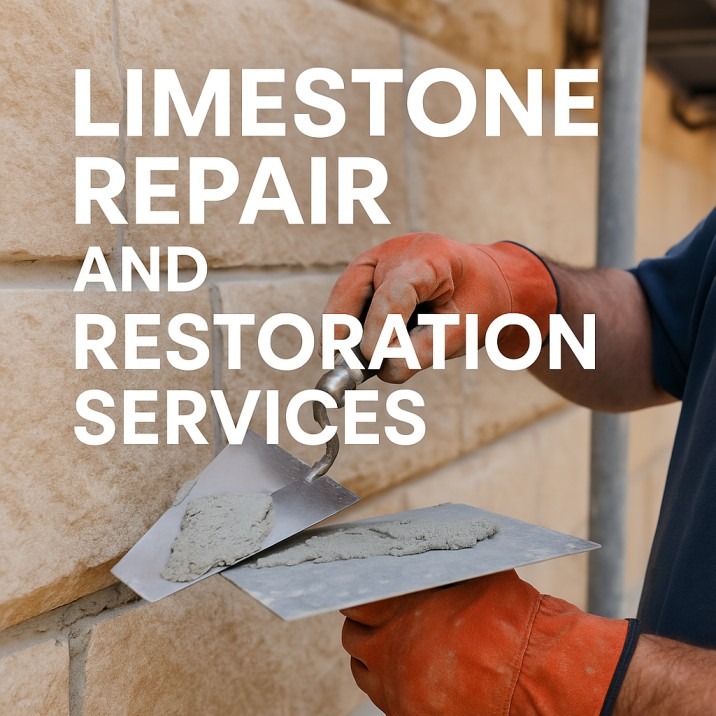
Preserving the Strength and Beauty of Limestone Masonry
Limestone has been used for centuries in architecture, from grand historic landmarks to elegant residential facades, valued for its natural texture, warm tone, and durability. However, like all natural stone, limestone is vulnerable to the forces of time and weather. Rain, freeze and thaw cycles, pollution, and temperature fluctuations can all erode its surface, weaken its structure, and diminish its visual appeal.
At Northshore Brickwork, we specialize in professional limestone repair, restoration, and preservation. Our team combines deep technical knowledge with artisanal craftsmanship to bring back the original integrity and elegance of your limestone surfaces, whether it is a modern building, a heritage facade, or a detailed architectural feature.
Understanding Limestone and Its Vulnerabilities
Limestone is a sedimentary rock composed primarily of calcium carbonate, often mixed with magnesium carbonate and organic materials. It is a relatively soft and porous material, which gives it both beauty and vulnerability.
While limestone ages gracefully, it reacts strongly to environmental conditions, especially acid rain, pollutants, and moisture. These factors can gradually break down its structure and surface finish, leading to deterioration that must be professionally addressed.
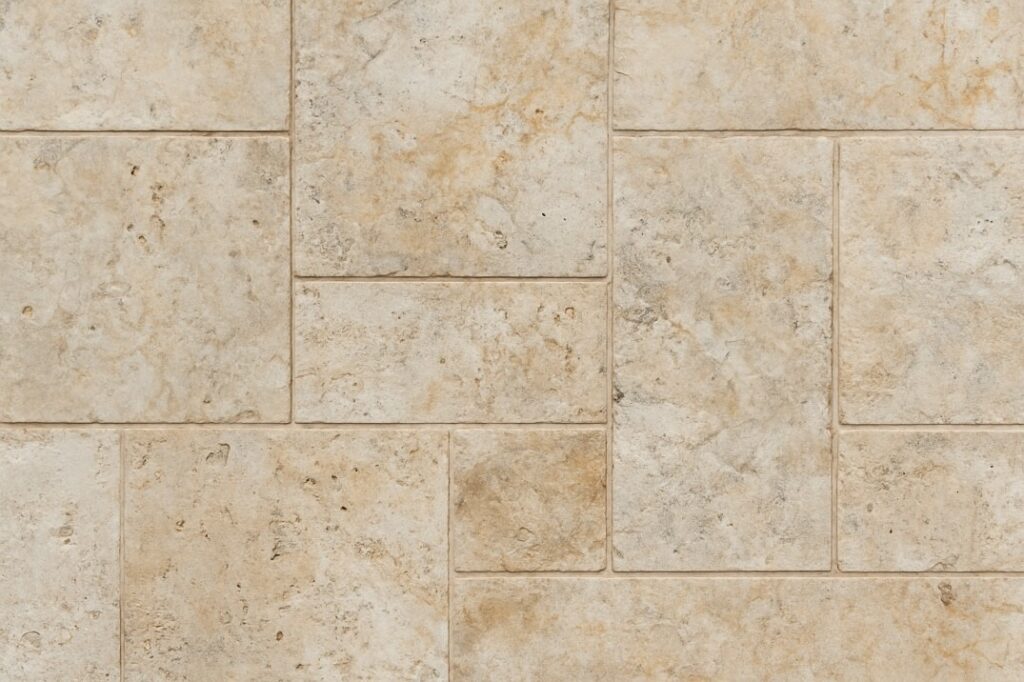
Common Causes of Limestone Deterioration
Limestone damage rarely results from a single factor. Instead, multiple environmental and chemical elements interact over time to weaken its composition.

1. Water and Moisture Penetration
Rainwater seeps into the porous surface, dissolving minerals and carrying them away, a process known as solution weathering. Over years, this can lead to pitting, flaking, and structural weakening.
2. Freeze and Thaw Cycles
When trapped moisture freezes, it expands inside the stone’s pores, causing fractures and surface scaling. Repeated freeze and thaw cycles can result in visible cracking and spalling.
3. Atmospheric Pollution
Pollutants such as sulfur dioxide react chemically with the calcium carbonate in limestone, forming gypsum crusts that weaken the surface and trap further pollutants.
4. Biological Growth
Algae, lichens, and moss thrive on damp limestone surfaces, staining and slowly degrading the stone through micro-acidic secretions.
5. Temperature and Wind
Thermal expansion and wind abrasion wear down limestone over decades, causing subtle yet cumulative erosion.
6. Improper Previous Repairs
Using incorrect materials, such as cement mortars or synthetic sealants, can trap moisture and accelerate deterioration rather than prevent it.
Signs Your Limestone Needs Repair
Routine inspection is key to preserving limestone masonry. Here are the telltale signs that your stonework may require professional attention:
- Crumbling, flaking, or powdering surfaces
- Dark stains or crusty deposits (efflorescence or gypsum)
- Cracks running through joints or stone faces
- Loss of sharp edges or carved detailing
- Water leaks or damp patches near limestone areas
- Previous patches detaching or discoloring
- Faded, stained, or uneven surfaces affect appearance
Early repair prevents minor damage from becoming an irreversible structural issue.
Our Limestone Repair and Restoration Services
At Northshore Brickwork, our limestone repair services cover everything from surface refinishing to full structural restoration. We approach each project with precision, using compatible materials and techniques to protect the stone’s historic and architectural integrity.

1. Limestone Cleaning and Surface Preparation
Before any restoration work, our team thoroughly cleans the limestone using gentle, non-acidic methods.
We remove biological growth, pollution deposits, and accumulated dirt without damaging the natural patina of the stone.
Our cleaning process may include:
- Low-pressure water washing
- Steam cleaning
- Micro abrasive cleaning for delicate details
- Environmentally safe biocidal treatments
Proper cleaning ensures a stable and receptive surface for subsequent repairs.
2. Crack and Joint Repairs
Cracks in limestone may occur due to structural stress or environmental expansion. We assess each crack’s cause and severity before proceeding.
Our repair process involves:
- Cleaning out loose debris
- Filling minor cracks with color-matched mineral-based fillers
- Repointing open joints using lime-based mortars that match the original composition
- Reinforcing deeper cracks with stainless steel pins or resin injection where necessary
This restores both strength and weather protection without altering appearance.
3. Limestone Patch Repairs and Replacements
For areas with heavy erosion or loss, we carefully remove deteriorated sections and apply patching mortars or insert new limestone blocks to match the existing stonework.
Our restoration specialists ensure:
- Precise stone matching in color, grain, and porosity
- Proper bonding between new and existing materials
- Seamless finish through fine tooling and texture replication
When full replacement is needed, we source limestone from matching quarries to maintain the building’s visual harmony.
4. Repointing Limestone Masonry
Mortar joints in limestone walls are just as critical as the stones themselves. Over time, mortar deteriorates faster than the stone, allowing water penetration.
Our expert tuckpointing and repointing services involve:
- Removing old, damaged mortar to controlled depth
- Cleaning joints for better adhesion
- Applying compatible lime based mortar, never hard cement
- Tooling joints for accurate alignment and texture
This not only strengthens the structure but also revitalizes the overall facade.
5. Surface Consolidation and Strengthening
In cases of granular disintegration or powdering, we apply stone consolidants that penetrate deeply and rebind the stone’s microstructure. This restores hardness and cohesion without altering the color or texture.
We use professional grade silicate based products approved for architectural conservation, ensuring breathability and long term stability.
6. Limestone Restoration and Refinishing
To revive aged limestone’s aesthetic appeal, we perform careful refinishing that restores its natural sheen and character.
Depending on the building’s heritage value and desired look, this may include:
- Fine honing or polishing of flat surfaces
- Gentle resurfacing of architectural details
- Retooling or reetching to match original craftsmanship
We never over polish or seal the stone. Our goal is authenticity and preservation.
7. Water Repellent and Protective Treatments
Moisture is limestone’s greatest enemy. After repair, we apply breathable water repellent coatings that prevent liquid water absorption while allowing internal moisture vapor to escape.
These protective treatments extend the stone’s lifespan, reduce biological growth, and preserve its natural beauty without altering its finish.
The Importance of Authentic Restoration
Limestone is not just a building material. It tells a story. Every block carries historical and architectural significance. Using improper methods or modern materials can permanently alter that legacy.
At Northshore Brickwork, we respect the original craftsmanship. Our restoration philosophy is simple: repair, do not replace, unless absolutely necessary.
We ensure that all materials used in the process are compatible with the original composition, allowing the structure to continue breathing naturally.
Our Step by Step Limestone Repair Process
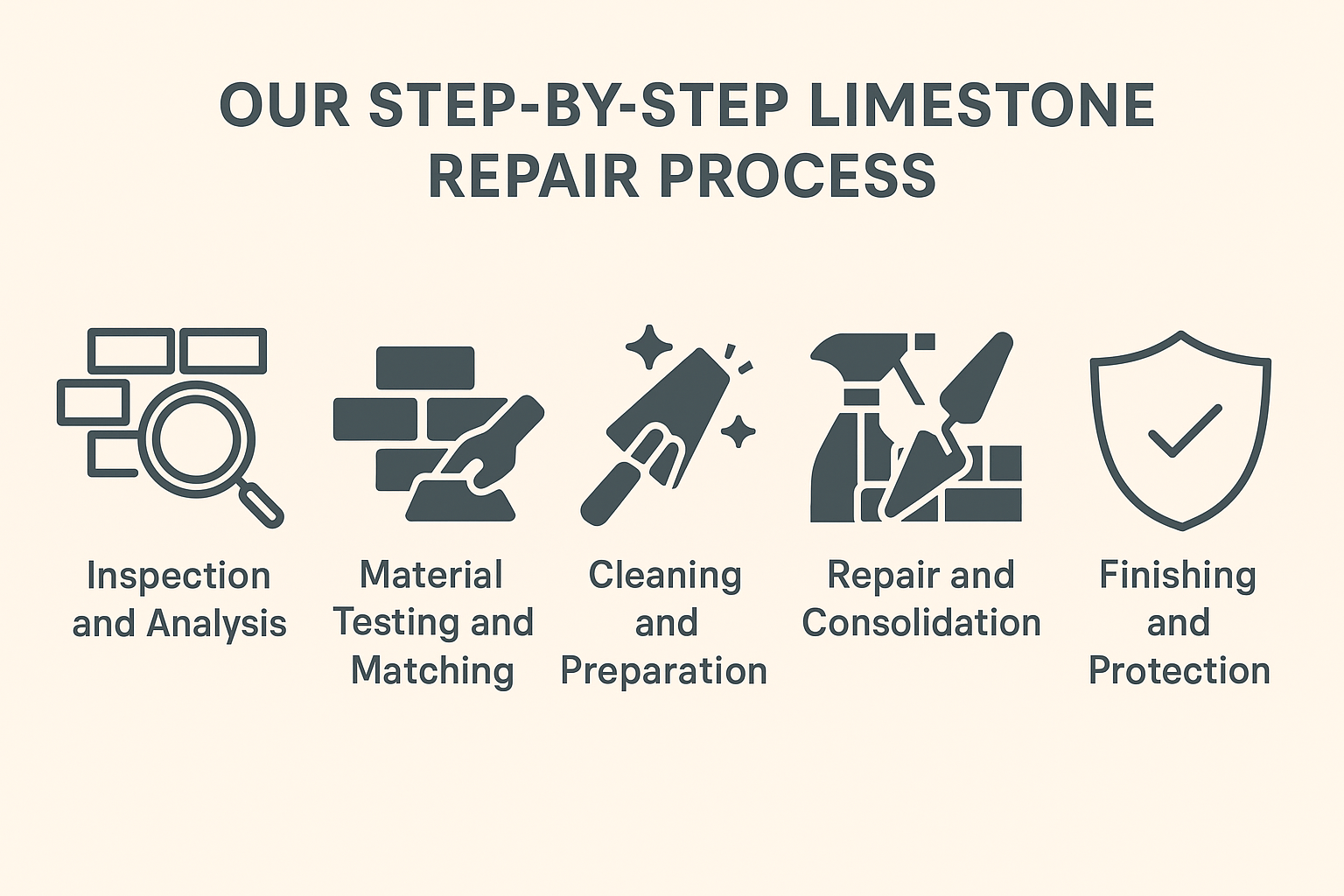
- Inspection and Analysis
We begin with a detailed on-site survey and stone assessment to determine the extent of weathering, structural damage, and material compatibility. - Material Testing and Matching
Our experts conduct mortar and stone analysis to identify color, composition, and porosity for perfect repair matching. - Cleaning and Preparation
The surface is cleaned using controlled methods to remove contaminants without harming the natural stone. - Repair and Consolidation
Cracks, losses, and decayed areas are carefully repaired, patched, or replaced using lime-based mortars and matching limestone. - Finishing and Protection
The restored area is tooled, textured, and protected with breathable coatings to ensure lasting durability. - Final Inspection and Maintenance Plan
Every project ends with a full quality inspection and recommendations for long-term care and maintenance.
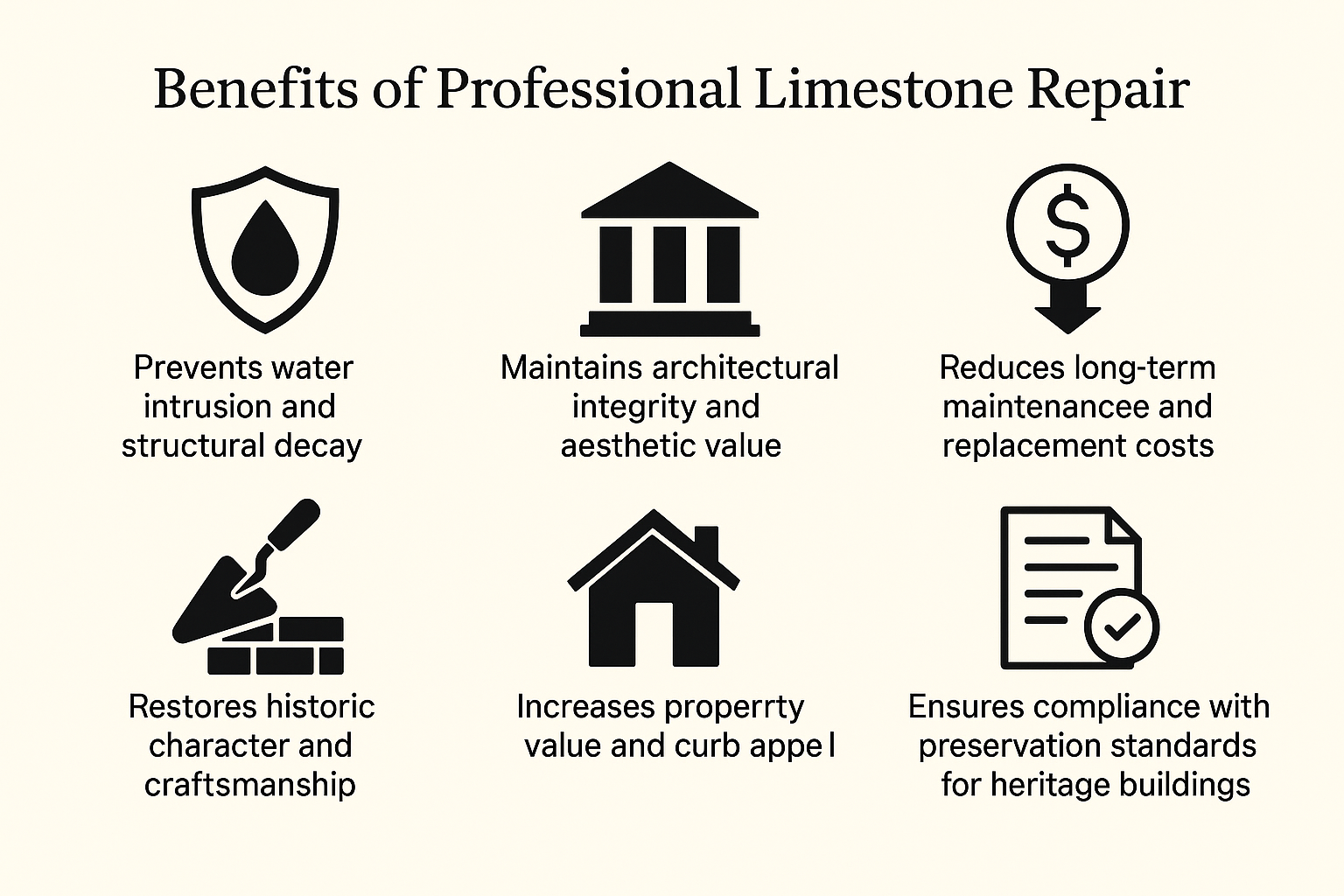
Benefits of Professional Limestone Repair
- Prevents water intrusion and structural decay
- Maintains architectural integrity and aesthetic value
- Reduces long-term maintenance and replacement costs
- Restores historic character and craftsmanship
- Increases property value and curb appeal
- Ensures compliance with preservation standards for heritage buildings
Our clients trust us to deliver precision, authenticity, and unmatched attention to detail in every limestone project.
Why Choose Northshore Brickwork
- Specialized expertise in natural stone repair and masonry restoration
- Heritage safe methods using traditional lime mortars and gentle cleaning techniques
- Accurate material matching in color, grain, and texture
- Comprehensive services from inspection to full restoration and waterproofing
- Rigorous quality control on every project
- Transparent communication, professional project management, and guaranteed satisfaction
We treat every building, whether modern or historic, with the same respect, precision, and care.
Preserve the Beauty of Your Limestone Structure
Limestone has stood the test of time for centuries, but even the strongest stone needs maintenance. Do not wait for small cracks or stains to become major repairs.
At Northshore Brickwork, we are dedicated to restoring and protecting limestone masonry, ensuring it continues to reflect both the strength and the story of your building.
Contact us today to schedule a consultation or inspection. Let our experts bring your limestone back to life, one carefully restored surface at a time.
Frequently Asked Questions
1. How can I tell if my limestone needs professional repair?
If you notice flaking, cracks, or dark, crusty stains, or if the surface feels powdery to the touch, it is time for inspection. These are early signs of weathering that, if untreated, can lead to structural damage.
2. Can damaged limestone be repaired without full replacement?
Yes. Most limestone damage can be repaired using compatible patch mortars and consolidation techniques. Full replacement is only necessary when the stone has lost significant mass or structural function.
3. Why is lime mortar preferred over cement for limestone repair?
Lime mortar is softer and allows the stone to breathe, moving naturally with temperature and moisture changes. Cement is too rigid and traps moisture, which accelerates decay.
4. Will cleaning limestone make it lose its natural patina?
When done professionally using mild, non-acidic methods, cleaning enhances the stone’s natural color without stripping its aged character. Harsh chemical or abrasive cleaning should always be avoided.
5. How often should limestone facades be maintained?
We recommend inspections every three to five years for residential properties and annually for historic or high-exposure buildings. Preventive maintenance extends the lifespan significantly.
6. Can water repellents damage limestone?
Not if applied correctly. We use breathable, silane siloxane-based repellents that prevent water penetration but allow moisture vapor to escape, avoiding trapped dampness and frost damage.
7. What causes white powdery stains on limestone?
This is called efflorescence, the result of salts migrating to the surface as water evaporates. It indicates moisture movement within the stone or joints and should be professionally addressed.
8. Do limestone repairs require scaffolding or major disruption?
For upper facades or chimneys, scaffolding may be necessary, but we plan work to minimize disruption and ensure safety. Ground-level and localized repairs can often be done efficiently without extensive setup.
9. Can you match historical limestone for heritage projects?
Yes. We source stone from matching quarries or use mineral-based patching systems that replicate the original texture, tone, and porosity, ensuring a seamless restoration.
10. How long does limestone restoration last?
With proper maintenance and protective coatings, professional limestone restoration can last twenty to thirty years or more, depending on exposure and environmental factors.