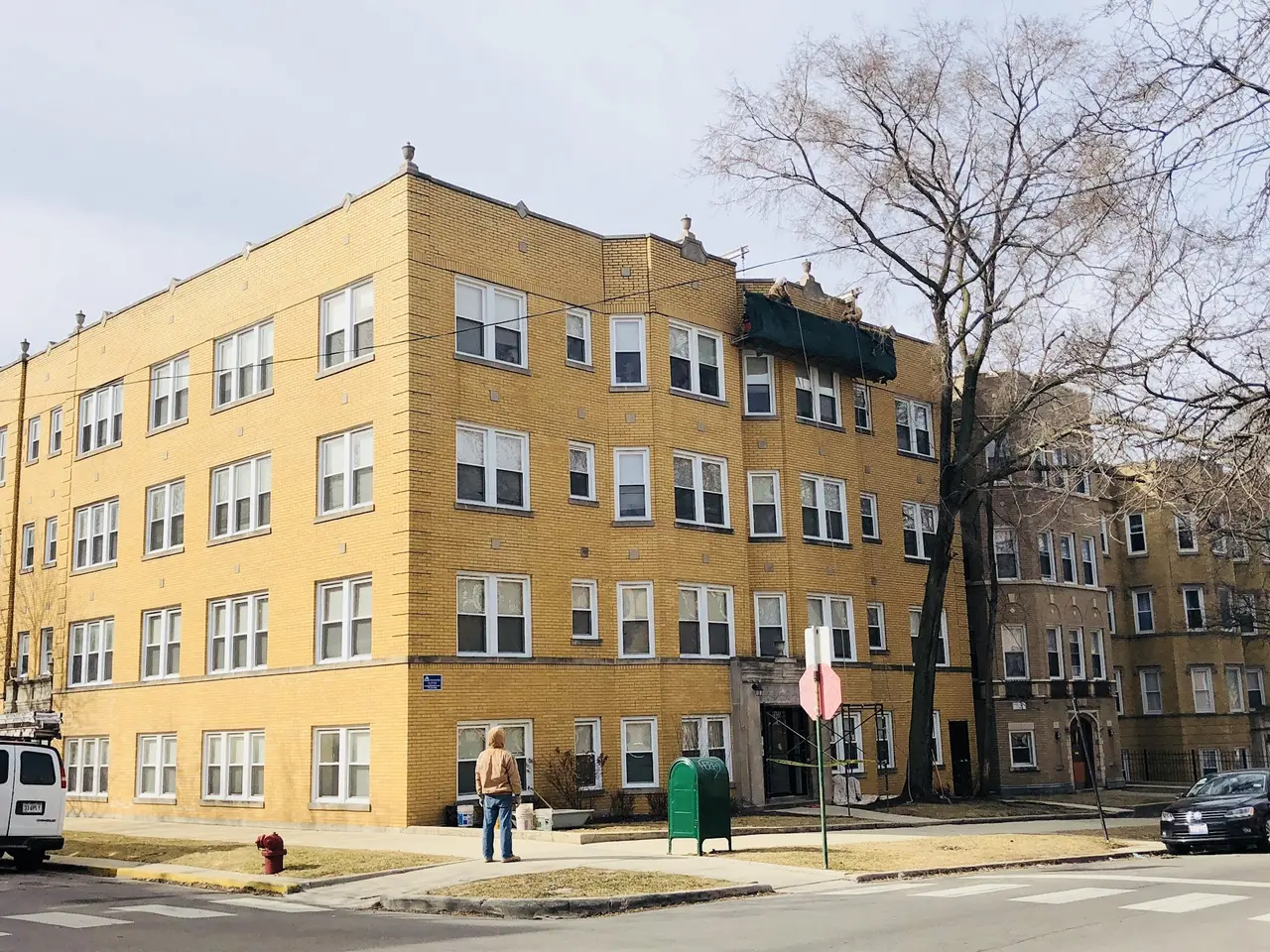
Masonry systems in modern construction are far more than a traditional building method — they’re a proven technology that continues to outperform alternatives in durability, safety, and long-term value.
From residential homes and commercial buildings to infrastructure and historic restoration, masonry systems provide the structural backbone for structures built to last generations. Understanding how these systems work and what makes them superior helps architects, builders, and homeowners make informed decisions.
In this guide, we explore every aspect of masonry systems in modern construction — from the types available to their sustainability credentials and the latest innovations shaping the industry.
What Are Masonry Systems in Modern Construction?
Masonry systems in modern construction consist of individual units — bricks, stones, or concrete blocks — bonded together with mortar to create load-bearing or non-load-bearing walls, foundations, and facades.
Unlike wood framing or steel construction, masonry systems distribute loads through compression, making them exceptionally strong under vertical forces. This fundamental structural principle has been used for thousands of years and remains the foundation of modern masonry engineering.
According to the Masonry Institute of America, masonry construction accounts for approximately 70% of all commercial building facades in the United States — a testament to its enduring relevance in modern construction.
Types of Masonry Systems Used in Modern Construction
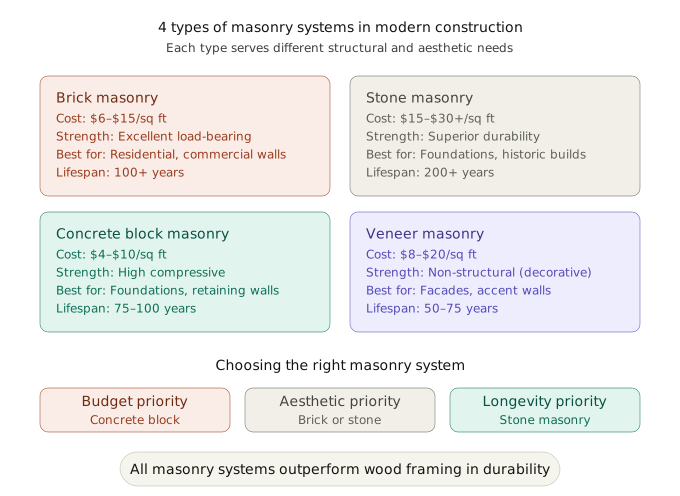
Understanding the different types of masonry systems in modern construction helps you choose the right one for your project:
Brick Masonry
Brick masonry is the most widely used masonry system in residential and commercial construction. Standard clay bricks offer excellent load-bearing capacity, fire resistance, and aesthetic versatility.
Modern brick manufacturing produces consistent, high-quality units that are easier and faster to lay than historic handmade bricks. A skilled bricklayer can lay 400–500 standard bricks per day.
Stone Masonry
Stone masonry uses natural stone — limestone, granite, sandstone, or marble — for structures that demand maximum durability and aesthetic impact. Stone buildings routinely last 200+ years.
Modern stone masonry in construction combines traditional hand-cutting techniques with diamond saw precision, allowing faster installation while maintaining the craft’s authenticity.
Concrete Block Masonry (CMU)
Concrete masonry units (CMUs) are the workhorse of commercial and industrial construction. They’re cost-effective, fast to install, and provide excellent compressive strength.
CMU walls can be reinforced with steel rebar and filled with grout, creating structures that meet seismic and wind-load requirements for high-rise and commercial buildings.
Masonry Veneer Systems
Veneer masonry provides the aesthetic appearance of brick or stone without the structural load-bearing function. A thin layer of masonry material is attached to a structural backup wall (typically wood or steel frame).
This system is increasingly popular in modern construction because it combines masonry’s visual appeal with lighter construction and lower material costs.
| System Type | Cost/sq ft | Lifespan | Best Application |
| Brick masonry | $6–$15 | 100+ years | Residential, commercial walls |
| Stone masonry | $15–$30+ | 200+ years | Foundations, premium facades |
| Concrete block (CMU) | $4–$10 | 75–100 years | Commercial, foundations |
| Veneer masonry | $8–$20 | 50–75 years | Decorative facades |
Key Benefits of Masonry Systems in Modern Construction
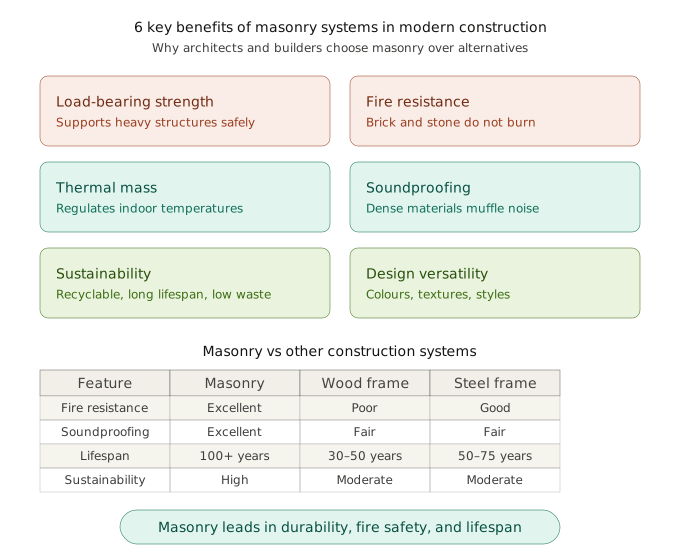
Here are the core advantages that make masonry systems in modern construction the preferred choice for buildings that need to perform:
Structural Strength and Load-Bearing Capacity
Masonry walls can support compressive loads that far exceed wood and light steel framing. This makes masonry systems in modern construction ideal for multi-story buildings, retaining walls, and load-bearing applications.
Fire Resistance
Brick, stone, and concrete block are non-combustible. A standard brick wall provides 2–4 hours of fire resistance without any additional fireproofing — far exceeding wood framing, which requires chemical treatment and drywall barriers.
The National Fire Protection Association classifies masonry as one of the highest-rated construction materials for fire safety.
Thermal Mass and Energy Efficiency
Masonry’s thermal mass absorbs heat during the day and releases it slowly at night, naturally regulating indoor temperatures. This can reduce heating and cooling costs by 10–25% compared to lightweight construction.
Soundproofing
The dense mass of masonry materials provides excellent sound attenuation. A standard brick wall blocks 45–50 decibels of sound transmission — making masonry ideal for urban environments, apartments, and commercial buildings.
Longevity and Low Maintenance
Masonry systems in modern construction routinely last 100+ years with minimal maintenance. Compare this to wood framing (30–50 years before major repairs) or steel (50–75 years with rust prevention). The long-term cost of ownership for masonry is significantly lower.
Masonry vs Wood Frame vs Steel Frame: How Do They Compare?
| Feature | Masonry | Wood frame | Steel frame |
| Fire resistance | Excellent (2–4 hrs) | Poor (minutes) | Good (1–2 hrs) |
| Soundproofing | Excellent (45–50 dB) | Fair (25–30 dB) | Fair (30–35 dB) |
| Lifespan | 100+ years | 30–50 years | 50–75 years |
| Load-bearing | Excellent | Moderate | Excellent |
| Sustainability | High (recyclable) | Moderate | High (recyclable) |
| Maintenance cost | Very low | Moderate–high | Moderate |
| Initial cost | Moderate–high | Low–moderate | Moderate–high |
| Pest resistance | Immune | Vulnerable | Immune |
While wood framing wins on initial cost and steel framing wins on spanning large open spaces, masonry systems in modern construction dominate on lifespan, fire safety, sound control, and total cost of ownership over 50+ years.
Masonry Systems in Modern Architectural Design
Modern architects value masonry systems in modern construction for their extraordinary design versatility:
Colour range: Bricks are available in hundreds of colours, from traditional reds and browns to whites, greys, blacks, and blended tones. Custom colours can be manufactured to specification.
Texture variety: Smooth, rough, tumbled, wire-cut, sandblasted — the surface texture of masonry units can be tailored to any aesthetic vision.
Pattern flexibility: Bond patterns like stretcher, Flemish, English, herringbone, and basket weave create distinct visual identities. Pattern alone can transform a building’s character.
Integration with landscape: Masonry naturally complements both urban and natural environments. Local stone sourcing connects buildings to their regional identity.
💡 Expert Design Insight
At North Shore Brickwork, we help architects select masonry systems that balance aesthetic vision with structural performance. The best modern masonry designs use material contrast — mixing brick textures, alternating bond patterns, or combining brick with stone accents — to create facades that are both timeless and distinctive.
Sustainability of Masonry Systems in Modern Construction
As green building standards become mandatory, masonry systems in modern construction offer strong sustainability credentials:
Recyclability: Brick, stone, and concrete are 100% recyclable. Reclaimed brick is a growing market, with salvaged materials commanding premium prices for restoration projects.
Local sourcing: Masonry materials are typically manufactured locally, reducing transportation emissions compared to materials shipped globally (like structural steel).
Longevity reduces waste: A masonry building that lasts 100+ years generates far less lifecycle waste than wood or steel structures that require replacement every 30–75 years.
Thermal mass reduces energy: Masonry’s natural temperature regulation reduces HVAC energy consumption by 10–25%, contributing directly to LEED and Energy Star certification goals.
No chemical treatment: Unlike wood (which requires pesticide treatment, fire retardants, and moisture barriers), masonry materials are inert and non-toxic.
The U.S. Green Building Council recognises masonry’s contribution to sustainable building through multiple LEED credit categories.
Modern Innovations in Masonry Technology
Masonry systems in modern construction continue to evolve with new technologies:
Thin-joint masonry: Uses 2–3 mm adhesive layers instead of traditional 10 mm mortar beds. This speeds construction by 20–30% and improves thermal performance.
Insulated concrete masonry: CMU blocks with integrated foam insulation cores provide structural strength and insulation in a single unit, simplifying wall assemblies.
BIM integration: Building Information Modelling allows precise 3D planning of masonry layouts, reducing waste and construction errors.
Robotic bricklaying: Machines like the Hadrian X can lay 1,000+ bricks per hour. While not replacing skilled masons for complex work, they accelerate large-scale projects.
Self-healing mortar: Research into bacteria-infused mortar that automatically seals cracks is advancing rapidly, promising masonry systems that maintain themselves.
How to Choose the Right Masonry System for Your Project
Selecting the right masonry system depends on your project’s specific needs:
| Priority | Best masonry system | Why |
| Maximum lifespan | Stone masonry | 200+ year durability |
| Best value residential | Brick masonry | Balance of cost, beauty, longevity |
| Budget commercial | Concrete block (CMU) | Lowest cost per sq ft |
| Aesthetic facade | Brick or stone veneer | Visual impact, lighter weight |
| Historic restoration | Matching original system | Authenticity, compliance |
| Green building cert. | Locally sourced brick/stone | LEED credits, low carbon |
A professional masonry contractor can assess your site conditions, structural requirements, and budget to recommend the optimal masonry system for your specific project.
Need Expert Masonry Construction in Milwaukee?
North Shore Brickwork builds and restores masonry systems across southeastern Wisconsin. From new construction to historic restoration, we deliver craftsmanship that lasts generations.
Contact North Shore Brickwork today for a free project consultation.
FAQs | Masonry Systems in Modern Construction
Q: What are masonry systems in modern construction?
Masonry systems are construction assemblies made of bricks, stones, or concrete blocks bonded with mortar to create walls, foundations, and facades. In modern construction, they provide structural support, fire resistance, soundproofing, and aesthetic appeal.
Q: Why are masonry systems still used in modern construction?
Masonry remains relevant because no other construction system matches its combination of durability (100+ years), fire resistance, soundproofing, and low maintenance. Modern innovations like thin-joint masonry and BIM integration have made it faster and more efficient.
Q: How long do masonry buildings last?
Brick masonry buildings typically last 100+ years. Stone masonry can last 200+ years. Concrete block structures last 75–100 years. All significantly outlast wood framing (30–50 years) and steel framing (50–75 years).
Q: Are masonry systems in modern construction sustainable?
Yes. Masonry materials are recyclable, locally sourced, non-toxic, and require no chemical treatment. Their long lifespan reduces lifecycle waste, and thermal mass reduces energy consumption by 10–25%.
Q: How do masonry systems compare to wood framing?
Masonry is superior in fire resistance, soundproofing, lifespan, pest resistance, and maintenance cost. Wood framing is cheaper upfront and faster to construct. Over 50+ years, masonry typically costs less due to lower maintenance and replacement needs.
Q: What is the most cost-effective masonry system?
Concrete block masonry (CMU) at $4–$10/sq ft is the most affordable. For residential buildings, standard brick masonry at $6–$15/sq ft offers the best balance of cost, beauty, and longevity.
Q: Can masonry be used for modern architectural styles?
Absolutely. Modern masonry offers hundreds of colours, textures, and bond patterns. Contemporary architects use masonry for minimalist, industrial, and avant-garde designs as effectively as for traditional styles.
Q: What is masonry veneer vs solid masonry?
Solid masonry walls are structural — they carry the building’s load. Veneer masonry is a thin decorative layer attached to a structural backup wall (wood or steel). Veneer provides masonry’s appearance at lower weight and cost.
Q: How do masonry systems perform in earthquakes?
Unreinforced masonry can be vulnerable to seismic forces. However, modern reinforced masonry (CMU with rebar and grout, or reinforced brick) meets seismic building codes and performs well in earthquake zones.
Q: What maintenance do masonry systems need?
Masonry requires minimal maintenance: mortar joint inspection every 10–15 years, repointing when joints deteriorate, and occasional cleaning. This is far less than wood (painting, pest treatment, rot repair) or steel (rust prevention, recoating).