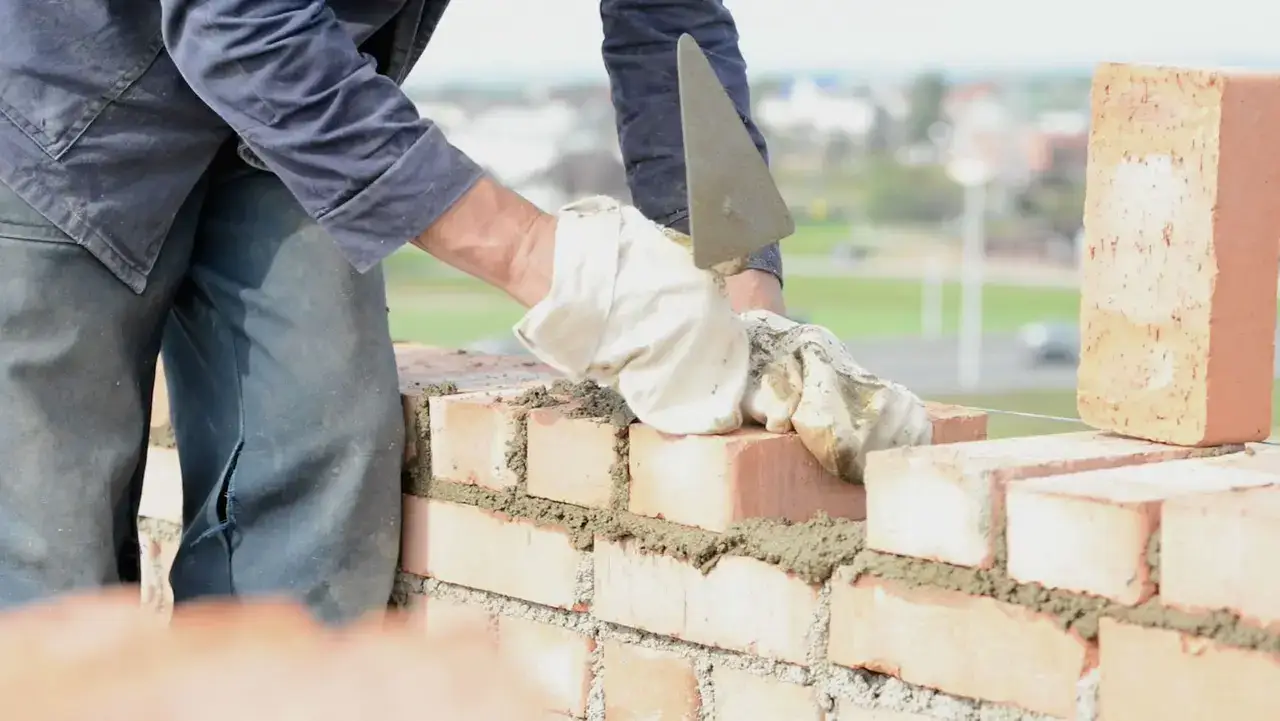
Environmental factors affect brickwork from the day it’s built. Sun, rain, wind, ice, salt, and biological growth all work continuously to degrade your brick and mortar. While brick is among the most durable building materials available, it is not immune to nature’s forces.
In Milwaukee, the challenge is especially severe. Our climate delivers 70+ freeze-thaw cycles per year, heavy road salt use, intense summer UV, and driving rain — creating one of the harshest environments for brickwork in the United States.
Understanding how environmental factors affect brickwork is the first step toward protecting your investment. In this guide, we break down each factor, explain the damage mechanism, and provide proven defence strategies. Every recommendation comes from our daily experience at North Shore Brickwork Milwaukee.
7 Environmental Factors That Affect Brickwork
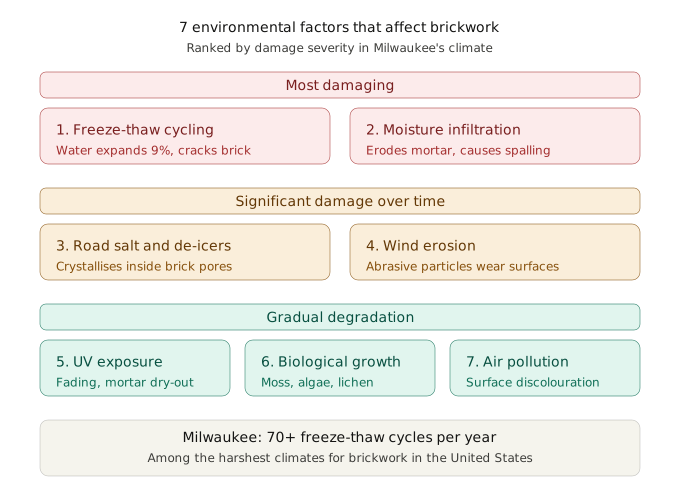
Here is a comprehensive overview of how environmental factors affect brickwork, ranked by damage severity in Milwaukee’s climate:
| Factor | Damage type | Severity | Defence cost | Repair cost if ignored |
| Freeze-thaw cycling | Cracking, spalling | Critical | $200–$600 | $2,000–$15,000 |
| Moisture infiltration | Mortar erosion, mold | Critical | $300–$800 | $1,000–$10,000 |
| Salt exposure | Pore crystallisation | Serious | $100–$300 | $1,000–$5,000 |
| Wind erosion | Surface wearing | Moderate | Minimal | $500–$3,000 |
| UV radiation | Fading, mortar drying | Moderate | $200–$500 | $500–$3,000 |
| Biological growth | Root damage, staining | Moderate | $100–$300 | $500–$2,000 |
| Air pollution | Discolouration | Low | $100–$200 | $200–$1,000 |
Freeze-Thaw Cycling: The Most Damaging Environmental Factor
Among all environmental factors that affect brickwork, freeze-thaw cycling causes the most severe and rapid damage. This is especially critical in Milwaukee.
How does freeze-thaw damage brick
Water enters brick and mortar through micro-pores, hairline cracks, and failed mortar joints. When temperatures drop below 0°C, this water freezes and expands by approximately 9%. The expansion creates internal pressure that fractures the brick surface from within.
Each freeze-thaw cycle compounds the damage. Milwaukee experiences 70+ cycles per year — meaning a single winter can turn a hairline crack into a visible chip, and a chip into a spalled brick face.
Signs of freeze-thaw damage
Spalling: Brick faces flaking, chipping, or crumbling away in layers.
Surface pop-outs: Small circular holes where embedded particles have been pushed out by ice expansion.
Crumbling mortar: Mortar joints eroding and turning to powder from repeated freezing.
How to protect against freeze-thaw
Breathable sealant: A vapour-permeable masonry sealant repels surface water while allowing internal moisture to escape. Reapply every 5–7 years.
Timely repointing: Failed mortar joints are the primary entry point for water. Repointing before winter prevents freeze-thaw damage.
Proper drainage: Gutters, downspouts, and grading must direct water away from brick walls. Standing water at the base of walls saturates lower courses.
The Brick Industry Association identifies freeze-thaw cycling as the primary environmental factor that affects brickwork in Great Lakes climate regions, responsible for more masonry damage than all other factors combined.
💡 Milwaukee freeze-thaw fact
Milwaukee averages 70–80 freeze-thaw cycles per year — among the highest in the continental United States. A single winter can cause more damage than 5 years of UV or wind exposure. This is why pre-winter inspection and repointing is the most cost-effective maintenance a Milwaukee homeowner can perform.
Moisture Infiltration: The Root Cause of Most Brick Damage
Moisture is the engine behind nearly every environmental factor that affects brickwork. Without water, freeze-thaw cannot occur, salt cannot crystallise, and biological growth cannot establish.
How water enters brickwork
Failed mortar joints: Cracks and gaps in mortar allow rain to penetrate directly into the wall cavity. This is the most common moisture entry point.
Missing or failed flashing: Flashing above windows, doors, and at the roofline directs water away from the wall. When it fails, water runs behind the brick.
Capillary rise: Groundwater wicks upward through bricks from below, causing dampness on lower wall courses and interior walls.
Wind-driven rain: Horizontal rain under high winds forces water into joints and micro-pores that would resist vertical rain.
Signs of moisture damage
Efflorescence: White salt deposits on the surface indicate water is moving through the masonry and evaporating on the exterior face.
Interior damp patches: Moisture stains or musty odours on interior walls adjacent to brick exteriors confirm water penetration.
Mold and mildew: Green or black growth on shaded, moist walls indicates chronic moisture that environmental factors severely affect brickwork.
Salt and Chemical Exposure on Brickwork
Salt is one of the most insidious environmental factors that affect brickwork, particularly in Milwaukee where heavy road salt use is standard throughout winter.
How salt damages brick: Salt dissolved in water enters brick pores. As the water evaporates, salt crystals form inside the pores. These crystals exert enormous pressure — sometimes greater than freeze-thaw — breaking the brick surface from within.
Sources of salt exposure: Road de-icing salt splashed onto lower wall courses, salt-laden groundwater wicking upward, and airborne salt mist near major roads.
Defence: Rinse lower brick courses with clean water each spring to flush out accumulated salt before it crystallises. Apply breathable sealant to ground-level brickwork for additional protection.
UV Radiation and Heat Stress on Brickwork
UV radiation is a slower-acting but persistent environmental factor that affects brickwork over years and decades.
Mortar drying and shrinkage: Intense sun exposure dries mortar joints, causing them to shrink and crack. South-facing and west-facing walls deteriorate fastest.
Colour fading: UV radiation bleaches brick colour over decades. Dark-coloured bricks and coloured mortars fade most noticeably.
Thermal cycling: Daily temperature swings cause bricks to expand and contract. Over years, this repeated movement weakens the mortar bond and can open hairline cracks.
Defence: Use flexible mortar (lime-based for historic buildings) that accommodates thermal movement without cracking. Repoint sun-exposed walls proactively every 20–25 years rather than waiting for visible failure.
Wind Erosion and Abrasion on Brickwork
Wind is a moderate but relentless environmental factor that affects brickwork through abrasion and driving rain:
Surface erosion: Wind carries sand, dust, and particulate matter that acts as natural sandblaster, gradually wearing brick surfaces smooth and eroding mortar joints.
Wind-driven rain: High winds force rainwater horizontally into joints that would resist vertical rainfall, accelerating moisture infiltration.
Pressure differentials: Strong winds create pressure differences across walls that can stress mortar bonds and push moisture through the wall assembly.
Defence: Maintain mortar joints in good condition to resist wind-driven rain. Buildings in exposed locations may benefit from breathable sealant on the windward facade.
Biological Growth: Moss, Algae, Ivy, and Tree Roots
Biological growth is an often-underestimated environmental factor that affects brickwork through physical and chemical mechanisms:
Moss and algae: Retain moisture against brick surfaces, accelerating freeze-thaw damage and mortar erosion. Remove with gentle cleaning before winter.
Ivy and climbing plants: Aerial roots penetrate mortar joints, widening cracks and physically separating bricks over time. Removal often pulls mortar with it.
Tree roots: Root systems can exert lateral pressure on foundations and lower walls, causing displacement and cracking. Maintain 2+ metres between trees and brick walls.
Lichen: Produces mild acids that slowly etch brick and stone surfaces. The damage is cosmetic in the short term but cumulative over decades.
Air Pollution and Surface Contamination
Air pollution is the least severe but most cosmetically damaging environmental factor that affects brickwork:
Carbon deposits: Vehicle exhaust and industrial emissions create dark surface films that dull brick colour. Urban buildings accumulate visible soiling within 5–10 years.
Acid rain: Pollutants in rainwater create mildly acidic conditions that accelerate mortar erosion and etch limestone or sandstone surfaces.
Defence: Regular low-pressure cleaning (every 3–5 years for urban buildings) removes surface contamination before it becomes embedded. Use pH-neutral detergents to avoid damaging the brick.
The National Trust for Historic Preservation recommends gentle, non-abrasive cleaning methods for all brick surfaces to prevent environmental factors from compounding with cleaning damage.
How to Protect Brickwork from Environmental Damage
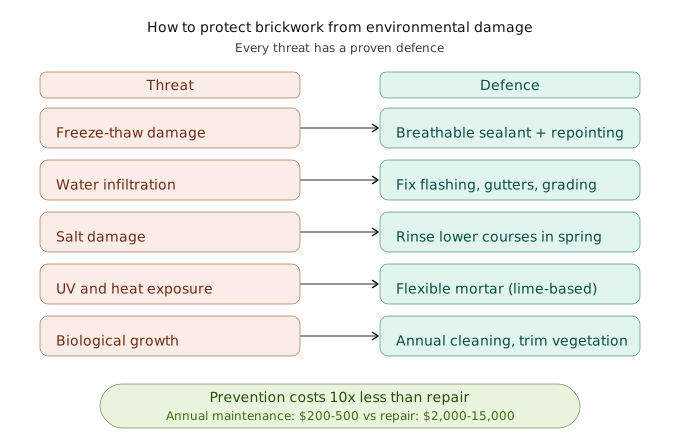
A comprehensive protection plan addresses every environmental factor that affects brickwork:
| Action | Frequency | Cost | What it prevents |
| Visual inspection | Twice yearly (spring + autumn) | $0 (DIY) | Catches damage early |
| Gutter and drainage maintenance | Twice yearly | $50–$200 | Water infiltration |
| Low-pressure cleaning | Every 3–5 years | $200–$500 | Biological growth, pollution |
| Breathable sealant application | Every 5–7 years | $200–$600 | Freeze-thaw, moisture |
| Mortar repointing (spot) | As needed | $300–$800 | Water entry, erosion |
| Salt rinse (lower courses) | Annually (spring) | $0–$50 (DIY) | Salt crystallisation |
| Vegetation management | Annually | $100–$300 | Root damage, moisture |
| Professional masonry assessment | Every 10–15 years | $200–$500 | Hidden structural issues |
Total annual protection cost: $200–$500. Total cost of ignoring environmental damage for 5+ years: $2,000–$15,000+. Prevention is always the better investment.
💡 The pre-winter checklist
Every autumn before Milwaukee’s first freeze, complete these 4 steps: (1) repoint any deteriorated mortar joints, (2) clean gutters and check downspouts, (3) rinse salt deposits from lower courses, (4) apply breathable sealant if due. This 2–3 hour checklist prevents the most damaging environmental factors from affecting brickwork during winter.
Repairing Environmental Damage to Brickwork
When environmental factors affect brickwork beyond what prevention can address, professional repair restores structural integrity:
| Damage type | Repair method | Cost range |
| Mortar erosion | Repointing to 15–25 mm depth | $8–$15/sq ft |
| Spalled bricks | Individual brick replacement | $15–$35 per brick |
| Efflorescence | Cleaning + moisture source fix | $100–$500 |
| Structural cracks | Engineering assessment + repair | $1,000–$10,000+ |
| Biological growth removal | Low-pressure wash + treatment | $200–$500 |
| Salt damage (sub-florescence) | Brick replacement + sealant | $500–$3,000 |
| Pollution staining | Professional cleaning | $200–$1,000 |
The ASTM C270 mortar standard specifies mortar types for repairing environmental damage, ensuring replacements match the structural and moisture-management properties needed to resist future environmental attack.
Worried About Environmental Damage to Your Brickwork?
North Shore Brickwork assesses, repairs, and protects brickwork against every environmental factor in Milwaukee’s harsh climate. Free inspections. Transparent pricing.
Contact North Shore Brickwork today for a free environmental damage assessment.
FAQs | Environmental Factors Affect Brickwork
Q: What environmental factors affect brickwork the most?
Freeze-thaw cycling and moisture infiltration cause the most severe damage. In Milwaukee, 70+ freeze-thaw cycles per year make these the dominant environmental factors that affect brickwork. Salt, UV, wind, biological growth, and pollution contribute cumulative damage over time.
Q: How does freeze-thaw damage brickwork?
Water enters the brick through the pores and the failed mortar. When it freezes, it expands 9%, creating internal pressure that fractures the brick surface. Each cycle compounds the damage. Milwaukee’s 70+ annual cycles make this the most critical threat to local brickwork.
Q: Can environmental damage to brickwork be prevented?
Yes. A combination of breathable sealant, timely repointing, proper drainage, annual cleaning, and regular inspection prevents the vast majority of environmental damage. Annual protection costs $200–$500 versus $2,000–$15,000+ for repairs after years of neglect.
Q: What is the best sealant for protecting brickwork?
A vapour-permeable (breathable) masonry sealant that repels surface water while allowing internal moisture to escape. Never use non-breathable sealants or paint, which trap moisture inside and accelerate freeze-thaw damage.
Q: How does salt damage brickwork?
Salt dissolved in water enters brick pores. As water evaporates, salt crystals form inside the pores, exerting pressure that breaks the surface. Road salt splash, salt-laden groundwater, and airborne salt mist are the primary sources in Milwaukee.
Q: Does UV damage brickwork?
UV radiation fades brick colour, dries and shrinks mortar joints, and contributes to thermal cycling stress. The damage is gradual but cumulative, with south-facing and west-facing walls most affected over 20–30 years.
Q: Should I remove ivy from my brick walls?
Yes. Ivy roots penetrate mortar joints, widen cracks, and retain moisture against the wall. Removal should be done carefully to avoid pulling the mortar with the roots. After removal, repoint damaged joints and apply breathable sealant.
Q: How often should I inspect brickwork for environmental damage?
Twice per year: once in spring after winter damage and once in autumn before winter. Additional inspections after severe weather events. Professional masonry assessment every 10–15 years.
Q: What does environmental damage to brickwork cost to repair?
Costs range from $100 for efflorescence cleaning to $15,000+ for extensive freeze-thaw damage repair. Most residential repairs fall between $500 and $5,000. Early intervention dramatically reduces cost.
Q: Why is Milwaukee especially hard on brickwork?
Milwaukee’s climate combines 70+ annual freeze-thaw cycles, heavy road salt use, humid summers, driving rain, and soft cream city brick — creating one of the harshest environments for masonry in the continental United States.