
Historic mortar & stone matching
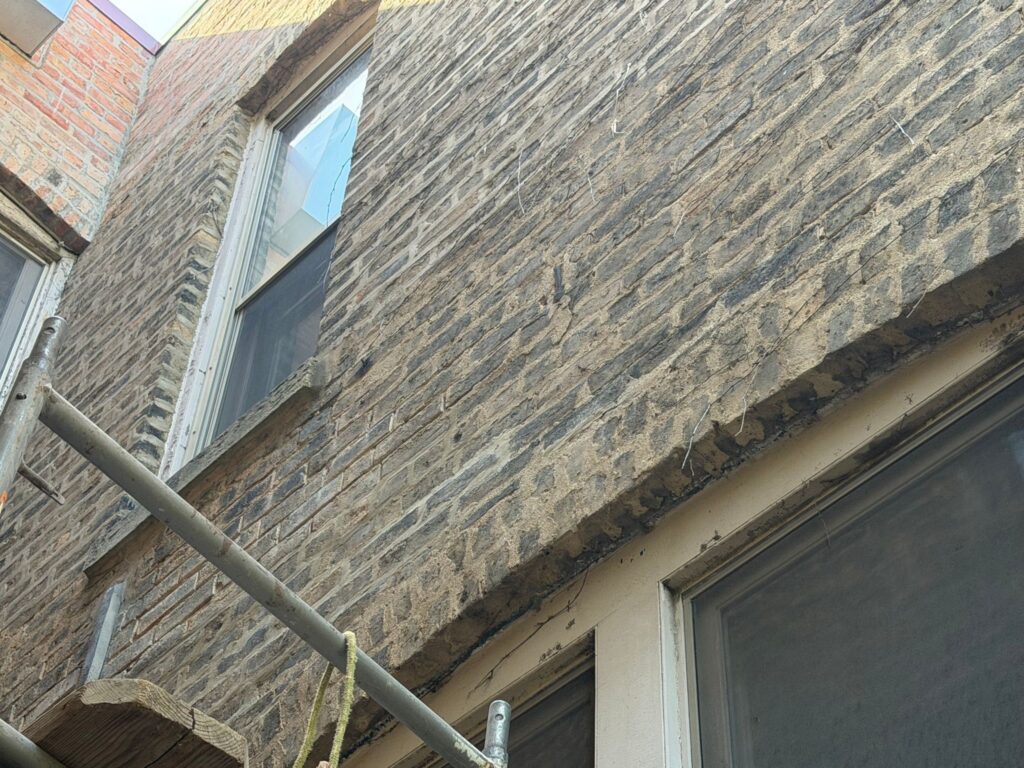
A landmark building, repaired the way it was built
Good bones, wrong repairs. Past work on this landmark building used modern cement-based mortar that is far too hard for masonry of this age. On a historic wall the mortar is meant to be the give in the system. When it is too rigid, the brick and stone take the stress instead.
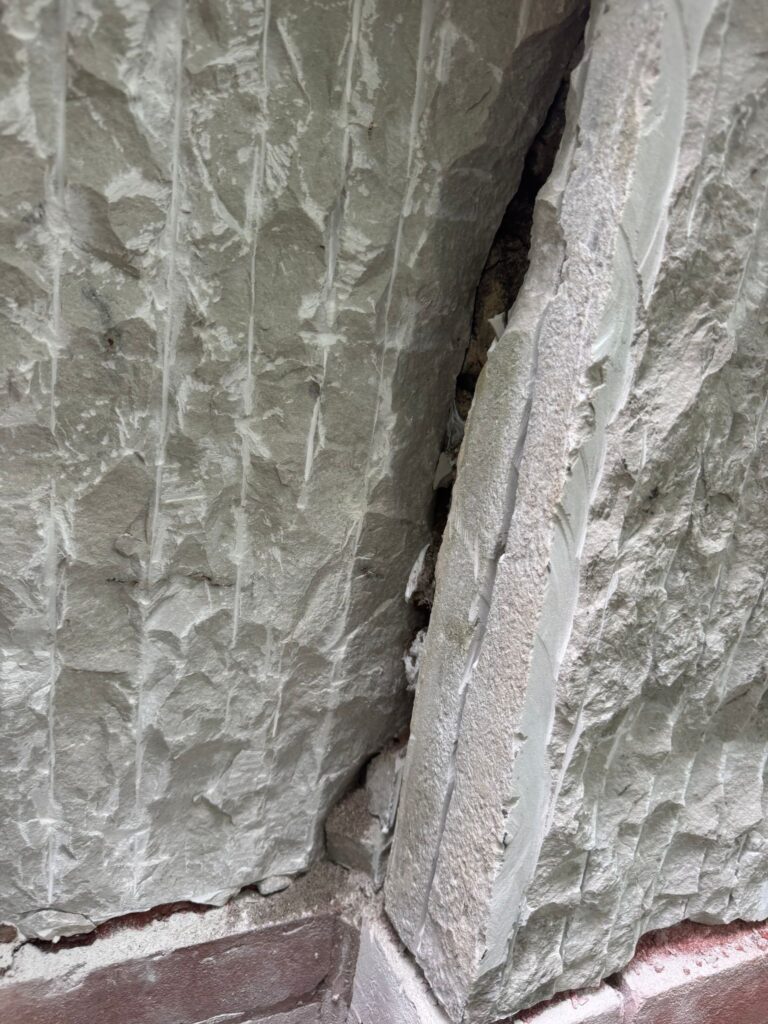
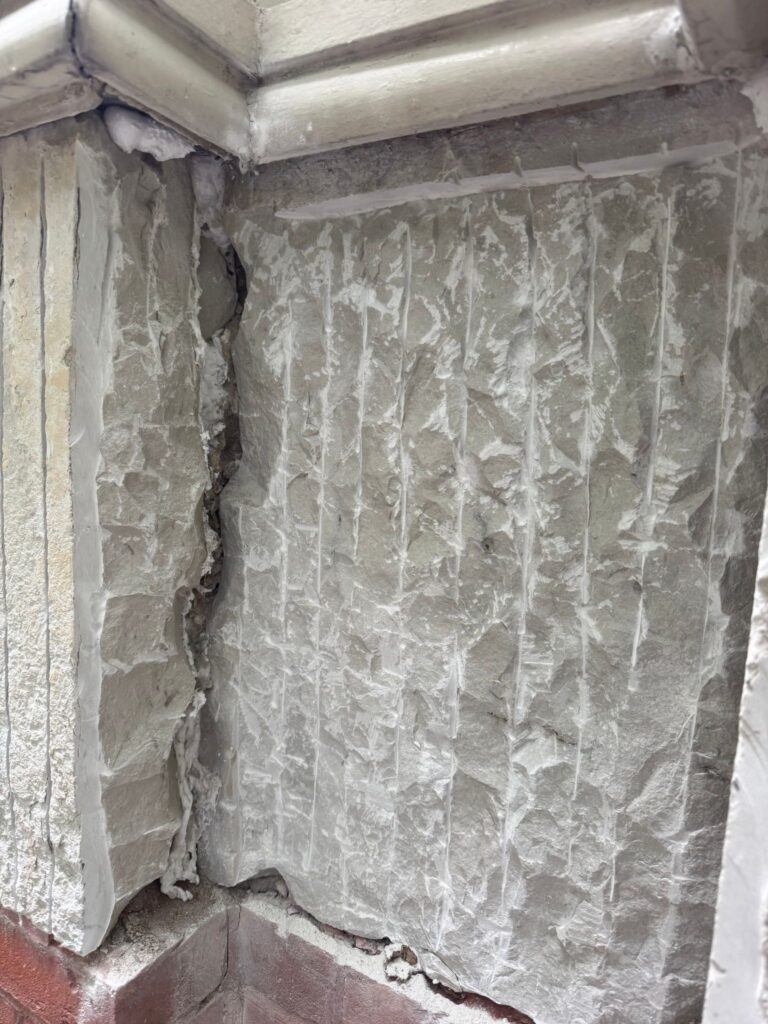
That is exactly what the building was showing: spalling stone faces and minor stone movement, the classic signature of hard mortar fighting soft masonry.
The restoration plan reverses it with correct-period materials: soft lime-based mortar, near-invisible stone patching instead of wholesale replacement, and cleaning gentle enough to leave a 150-year-old patina intact.
When the repair is the problem
Modern portland cement mortar is stronger than the historic brick and stone around it. That sounds like a good thing and is the opposite. The rigid joints transfer every cycle of movement and moisture into the masonry itself, and the softer material loses.
The faces of the stone were spalling and sections showed minor movement. Left alone, the building would keep shedding original material that cannot be bought again: the brick is a size no longer manufactured, and new stone will never match a century and a half of patina.
Matched, not modernized
Every choice runs the same direction: materials that behave like the originals, and repairs that disappear into them.
Historically correct mortar
Soft Type O lime-based mortar, color-matched to the existing joints instead of the standard modern mix.
Precision stone patching
Restoration patching on the existing limestone rather than tear-out. Done right, it is nearly invisible and far more cost-effective.
Brick matched & patched
The original brick size is no longer manufactured, so brick is matched and patched rather than replaced wholesale.
Gentle, time-released cleaning
No aggressive pressure washing, which can permanently discolor historic brick.
Sample area sign-off
A sample area is prepared and approved by the owner before any full-scale work, so color and finish are agreed first.
Landmark compliance
Materials and methods selected to satisfy landmark requirements for the building.
Diagnosis, up close
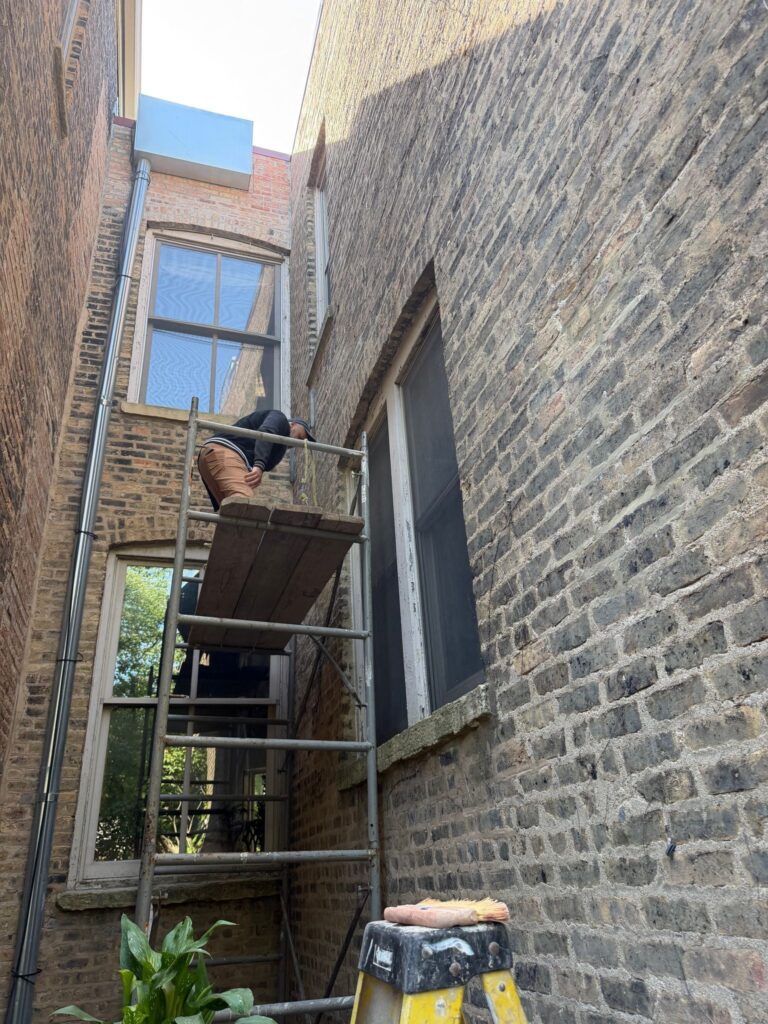 Assessing the facadeSpalling at the stone faceStress the mortar should be takingOriginal brick, no longer manufactured
What goes into the wall
More case studies
View all projects →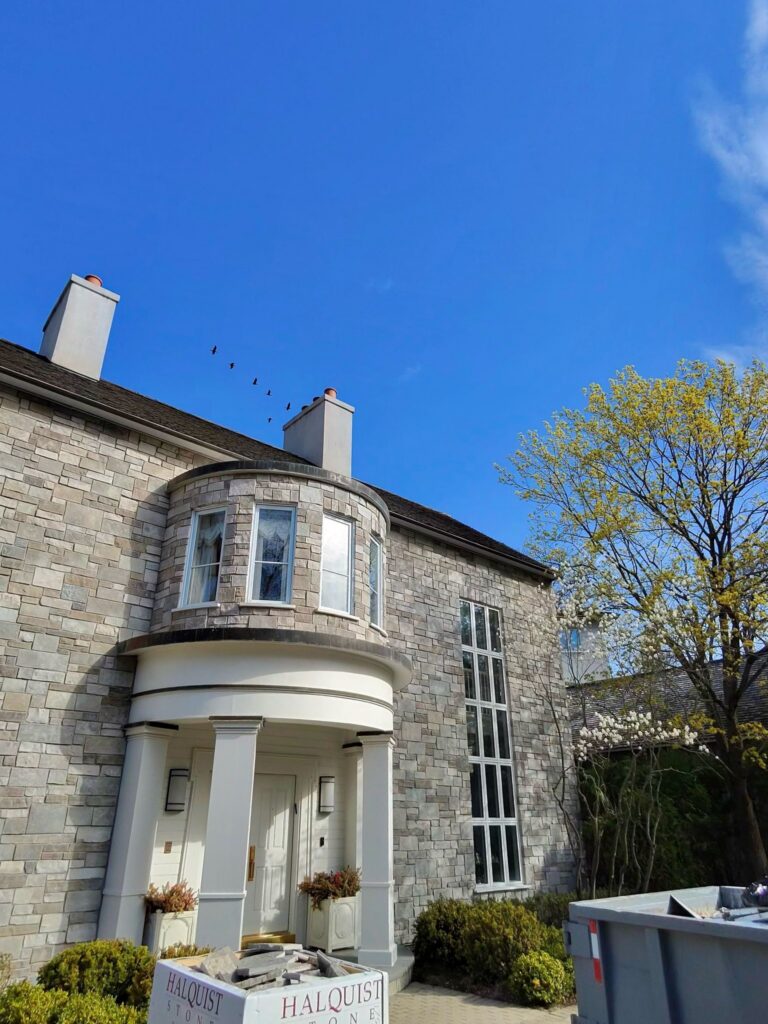
EIFS to Natural Stone Facade
A synthetic stucco front elevation stripped to the sheathing and refaced in Halquist natural stone.
Read case study →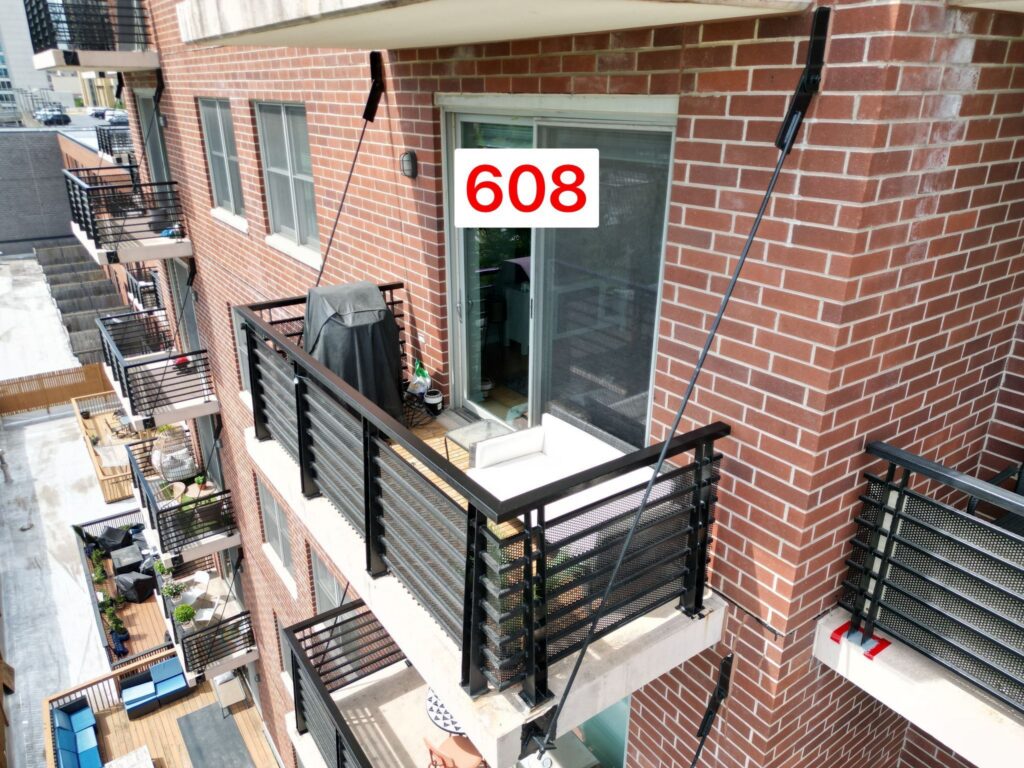
Balcony Refinishing & Sealant Program
Every balcony prepped and repainted, with a building-wide sealant and caulk plan by condition.
Read case study →Have a building like this one?
Free, no-pressure masonry assessments. We'll tell you what actually needs doing, and what can wait.